







During my years working as a farm equipment service technician, I’ve learned that small mechanical details often decide how productive a machine feels during long working hours. I frequently share practical observations about tractor tires because tire performance quietly controls traction, fuel usage, and operator comfort. I first started paying serious attention to this after servicing a wheat farm tractor that kept losing pulling strength even though its engine had recently been tuned.
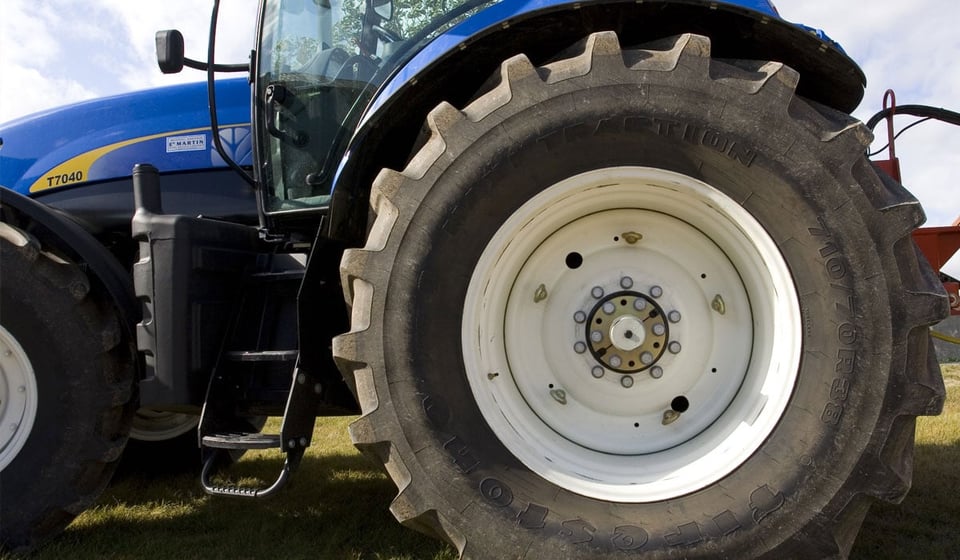
One experience that stays in my memory involved a customer who complained that his tractor felt heavier during early morning plowing. The field soil was still slightly damp from overnight moisture, and I noticed the rear tires had lost sharp edge definition on the lugs. The machine was not mechanically weak; the contact surface was simply sliding a little before generating forward motion. After suggesting replacement before the next planting cycle, the operator told me the tractor regained steady momentum while pulling the same plow load across similar soil conditions.
Farmers sometimes assume that deeper tread always means better performance. I once inspected a small orchard tractor that was fitted with extremely aggressive agricultural tires because the owner believed maximum grip would improve hillside stability. The problem was that the tractor spent nearly half its working time moving between storage yards and cultivated rows on compacted gravel paths. Those sharp lugs were wearing faster on hard surfaces and also throwing small stones toward the chassis frame during movement. I suggested switching to a balanced tread design, and the operator later mentioned that maintenance costs related to surface wear dropped during the following season.
Pressure consistency is another detail I check during almost every service visit. I remember a livestock farm tractor that began drifting slightly to the right when moving slowly near feeding sheds. The engine and steering system were functioning normally. The cause was a barely noticeable pressure difference between the two rear tires. The operator had replaced one tire the previous month but did not equalize inflation afterward. Once we corrected the pressure level and set a schedule for checking inflation every couple of weeks during active work periods, the tractor movement felt smoother and required less constant steering adjustment.
Wide tires are often purchased with the expectation that they automatically improve stability. I have seen this decision made after farmers hear that increasing ground contact width distributes load better. One hillside pasture operator invested several thousand dollars upgrading to wider rear tires because he wanted more confidence while working on sloped grazing land. The tractor did feel more stable during straight uphill movement, but he later mentioned that turning inside the barnyard access area required slightly more steering effort. That situation reminded me that tire width should be chosen together with terrain movement patterns rather than appearance or perceived strength alone.
Storage habits also affect long-term tire health. During winter downtime, I once worked on a harvesting tractor that had been parked on a hard concrete workshop floor for several months. When spring work started, the operator noticed vibration during the first few days of field operation. The tires had developed minor flat contact zones from continuous static pressure. Since then, I advise operators to move stored tractors slightly every few weeks or keep them on surfaces that reduce constant rubber compression.
Fuel efficiency complaints often lead me back to tire inspection. A mid-sized plowing operation once reported increasing diesel usage even though workload patterns had not changed. After checking mechanical systems, I discovered the front tires were slightly underinflated, creating extra rolling resistance against soil surface friction. Once proper pressure was restored, the tractor moved more freely during repeated plowing passes, and the operator noticed the machine felt lighter during field traversal.
From my professional experience maintaining agricultural machinery, tractor tires should be treated as active working components rather than simple consumable parts. Paying attention to tread condition, pressure balance, and terrain compatibility usually prevents many performance problems before they become expensive repairs. Machines that run smoothly across multiple seasons are usually the ones whose operators respect the subtle but important role that tire contact plays in agricultural work.